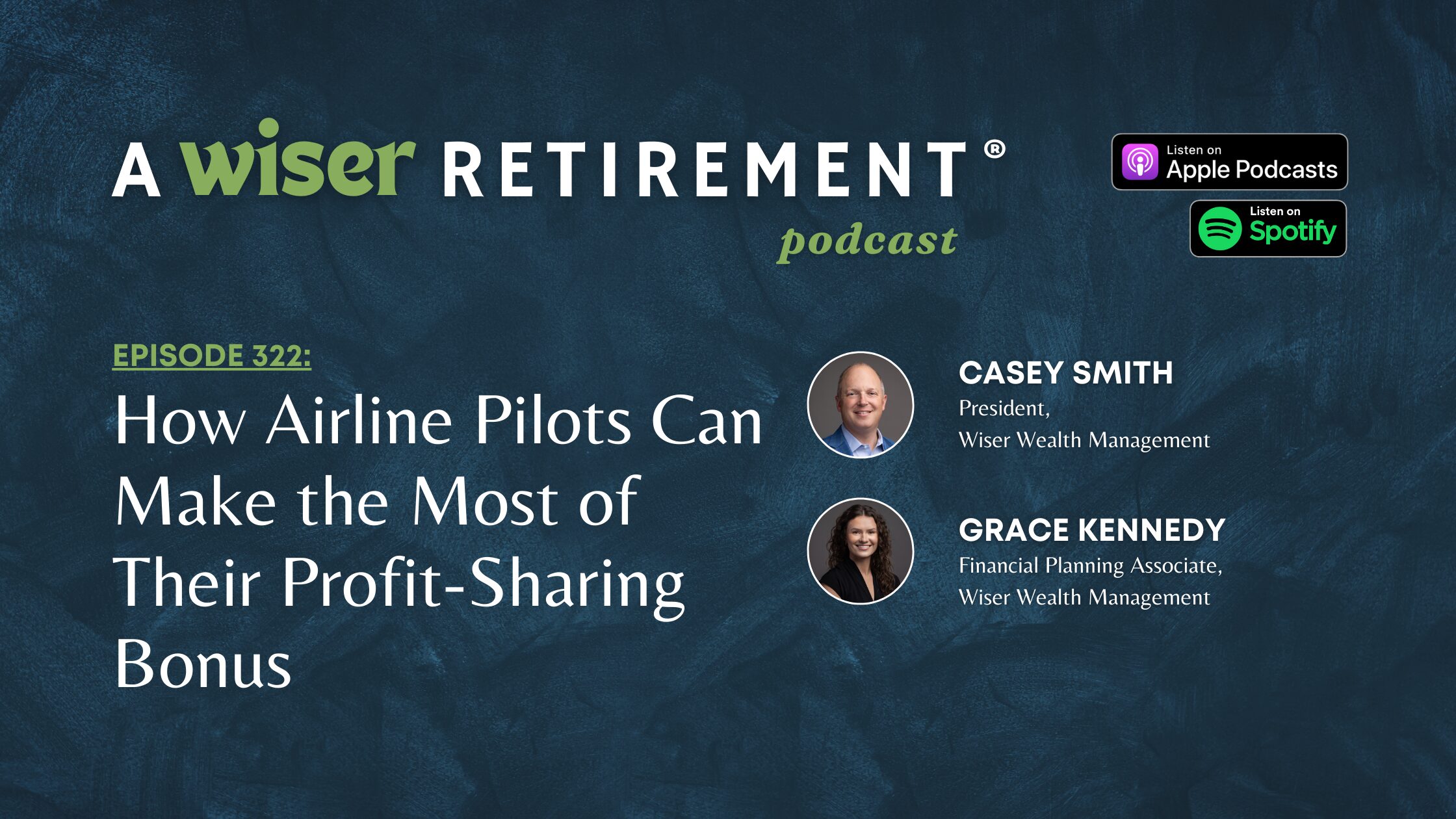
How Airline Pilots Can Make the Most of Their Profit-Sharing Bonus
Listen or Watch
Summary
Major airlines like Delta, United, Southwest, and American each have unique profit-sharing structures. Delta currently leads the pack, with a formula that pays a significant percentage of profits back to pilots often equating to several weeks of pay. United and Southwest follow similar models, while American has introduced a newer market-based cash balance plan that offers pilots more flexibility. The key takeaway: these bonuses are meaningful, but they are not guaranteed income.
The Biggest Mistakes Pilots Make With Bonuses
One of the most common pitfalls is lifestyle inflation is treating a bonus like part of a regular paycheck. Profit sharing can fluctuate year to year, so relying on it for ongoing expenses like tuition or lifestyle upgrades can create financial stress later. Another overlooked issue is taxes. Large bonuses can push pilots into higher tax brackets if not planned for properly.
A Simple Formula for Using Bonuses Wisely
-
Pay off high-interest or revolving debt like credit cards, vehicles, or other loans.
-
Maximize tax-advantaged accounts, including HSAs and pre-tax 401(k) contributions.
-
Leverage airline retirement plans such as market-based cash balance plans where available.
-
Set aside “opportunity money” – funds earmarked for future goals like a second home, travel, or other major life opportunities.
Treat Bonuses as a Wealth Tool, Not a Paycheck
When handled intentionally, profit-sharing bonuses can accelerate retirement readiness, reduce taxes in the future, and create flexibility later in life. The core message is simple: live on your guaranteed income, and let bonuses strengthen your financial foundation instead of fueling short-term spending.
- Schedule a Complimentary Consultation: Discover how our services can help you achieve financial confidence.
- Access Our Free Guides: Gain valuable insights on topics such as why most financial plans fail, how to leave a financial legacy, post-divorce financial planning, and more!
- Subscribe to A Wiser Retirement® YouTube Channel.
- Listen to A Wiser Retirement® Podcast and access previous episodes.
Connect:

Recent posts



Share This Story, Choose Your Platform!
Wiser Wealth Management, Inc (“Wiser Wealth”) is a registered investment adviser with the U.S. Securities and Exchange Commission (SEC). As a registered investment adviser, Wiser Wealth and its employees are subject to various rules, filings, and requirements. You can visit the SEC’s website here to obtain further information on our firm or investment adviser’s registration.
Wiser Wealth’s website provides general information regarding our business along with access to additional investment related information, various financial calculators, and external / third party links. Material presented on this website is believed to be from reliable sources and is meant for informational purposes only. Wiser Wealth does not endorse or accept responsibility for the content of any third-party website and is not affiliated with any third-party website or social media page. Wiser Wealth does not expressly or implicitly adopt or endorse any of the expressions, opinions or content posted by third party websites or on social media pages. While Wiser Wealth uses reasonable efforts to obtain information from sources it believes to be reliable, we make no representation that the information or opinions contained in our publications are accurate, reliable, or complete.
To the extent that you utilize any financial calculators or links in our website, you acknowledge and understand that the information provided to you should not be construed as personal investment advice from Wiser Wealth or any of its investment professionals. Advice provided by Wiser Wealth is given only within the context of our contractual agreement with the client. Wiser Wealth does not offer legal, accounting or tax advice. Consult your own attorney, accountant, and other professionals for these services.